SUBSCRIBE

RECIPES

Almond
Pastry Rings

What to Serve With Salt and Pepper Squid: 10 Easy Side Dishes

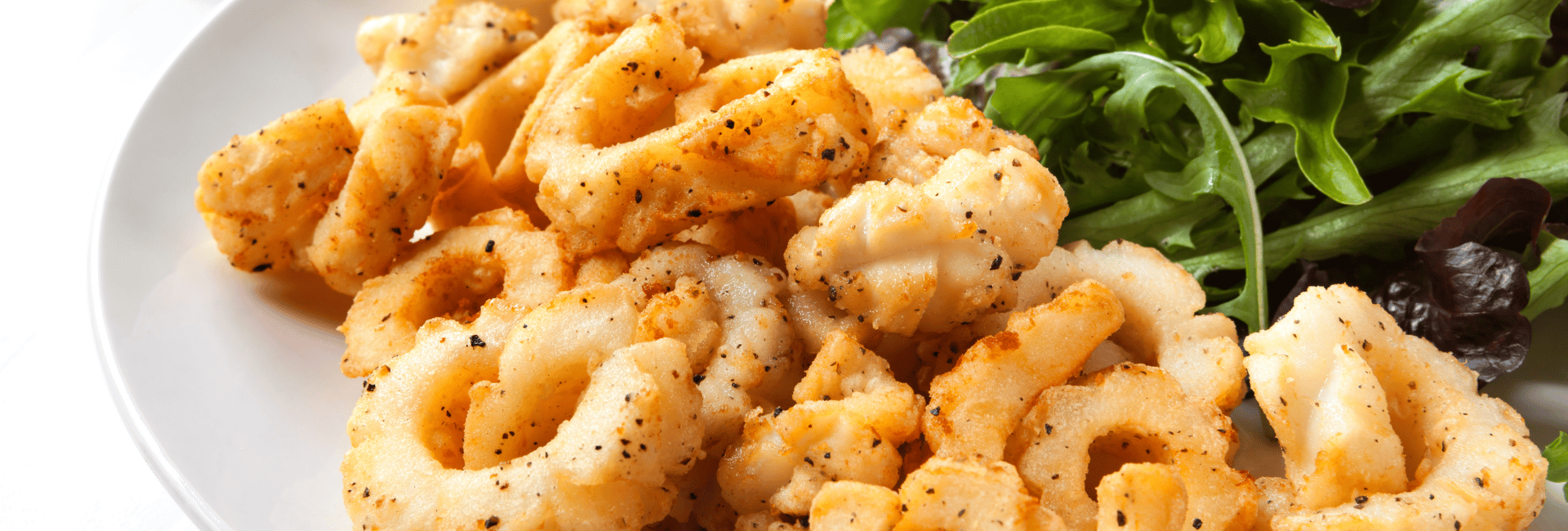
The best sides to serve with salt and pepper squid are Asian slaw, green salad, hot chips, coconut rice, fried rice, cucumber salad, steamed greens, noodle salad, lime mayo and chilli dipping sauce.

Salt and pepper squid is a crowd-pleasing dish because it is crisp, light, savoury and easy to share. Whether you are serving it as a starter, part of a seafood platter or the main event, the right side dish helps balance the crunch with freshness, acidity, creaminess or a little extra comfort.

For simple seasoning at home, McKenzie’s Natural Salt & Pepper Grinder is handy for finishing seafood, chips, salads and vegetables just before serving.
Australian Guide to Dried Beans: Pinto, Borlotti, Red Beans, Black-Eyed Beans and Yellow Split Peas

Dried beans and pulses are wholesome pantry staples that add fibre, plant-based protein, texture and comfort to everyday Australian cooking.

From chilli and tacos to soups, curries, salads and stews, a simple bag of dried beans can become the base of many generous meals. The key is knowing how to prepare them properly, what each bean is called in Australia, and which recipes suit each one best.

Salt & Pepper in Australia: Grinders, Peppercorns and the Best Australian Sea Salt Brands

Mixed Spice in Australia: What It Is, What’s in It and How to Use It

Mixed spice is a warm baking spice blend that commonly contains coriander, ginger, nutmeg, cassia or cinnamon, and clove.

In Australia, mixed spice is most often used in fruit cakes, puddings, biscuits, slices, hot cross buns and other cosy, spiced bakes. It brings gentle warmth and depth without letting one spice take over.

McKenzie’s Mixed Spice contains coriander, ginger, nutmeg, cassia and clove, making it a handy pantry shortcut when a recipe needs that familiar sweet spice flavour.

Desiccated vs Shredded Coconut: What’s the Difference and Which Should You Use?

The key difference between desiccated coconut and shredded coconut is texture and moisture content. Desiccated coconut is finer and drier, while shredded coconut is cut into longer strands, giving recipes more chew, texture, and visible coconut.

Both are useful in Australian baking and cooking, but they are not always perfect swaps. The right choice depends on whether you want coconut to blend into the recipe or stand out.

Egg Replacer in Baking: What It Is, What It’s Made Of and How to Use It

Egg replacer is a baking powder-style ingredient designed to help replace eggs in baked goods, not in cooking. To replace one egg, mix 1 teaspoon of egg replacer with 2 tablespoons of water, then whisk until smooth.

McKenzie’s Egg Replacer is made from potato starch, tapioca flour, pea protein, raising agent, stabiliser and a processing aid containing sulphites. It is designed for baking only, helping egg-free cakes, muffins, biscuits, pancakes and slices achieve a similar texture to recipes made with eggs.

How to Use Gelatine Powder: A Complete Guide for Australian Cooks

To use gelatine powder correctly, sprinkle it over cold water first, let it bloom, then gently dissolve it before mixing it into your recipe.

That is the simple rule. Do not add gelatine powder straight into hot liquid, as it can clump. Give it time to absorb cold water first, then dissolve it gently so it blends smoothly into jellies, panna cotta, cheesecake slices, mousses, terrines, glazes and other sweet or savoury dishes.

McKenzie’s Gelatine Powder is a platinum strength setting agent that helps turn liquids into gel. As a guide, 2 teaspoons of McKenzie’s Gelatine Powder will set approximately 500ml of liquid.

Find us on social media