SUBSCRIBE

RECIPES

Almond
Pastry Rings

Australian Guide to Dried Beans: Pinto, Borlotti, Red Beans, Black-Eyed Beans and Yellow Split Peas

Australian Guide to Dried Beans: Pinto, Borlotti, Red Beans, Black-Eyed Beans and Yellow Split Peas

Dried beans and pulses are wholesome pantry staples that add fibre, plant-based protein, texture and comfort to everyday Australian cooking.

From chilli and tacos to soups, curries, salads and stews, a simple bag of dried beans can become the base of many generous meals. The key is knowing how to prepare them properly, what each bean is called in Australia, and which recipes suit each one best.

How to Prepare Dried Beans From the Bag

For most dried whole beans, start with a simple preparation method.

  1. Rinse first
    Place the dried beans in a sieve and rinse under cold running water. Remove any small stones or imperfect beans.
  2. Soak overnight or as directed
    Place the beans in a large bowl or pot and cover with water. The water should sit at least 5cm above the beans, as they will expand as they soak.
  3. Add bi-carb soda to help tenderness
    Add 1 teaspoon McKenzie’s Bi-Carb Soda per 500g dried beans to the soaking water. This can help soften the beans and support a more tender result.
  4. Rinse thoroughly
    After soaking, drain and rinse the beans well under fresh water.
  5. Cook in fresh water
    Place the soaked beans in a pot, cover with fresh water, bring to the boil, then simmer gently until tender.

Split peas are a little different. Because they are already split, they usually do not need overnight soaking and cook faster than whole beans.

Cooking Tips for Hard or Tough Legumes

Dried beans are natural ingredients, so cooking times can vary. Australian climate conditions, seasonal variation, storage time, heat and humidity can all affect how quickly dried legumes soften.

If your beans or split peas are staying firm, try these tips.

  • Use a pressure cooker when you want a softer or mushier texture. This is useful for dhal, bean dips, refried-style beans and thick soups.
  • Add salt, vinegar, tomatoes and other acidic ingredients at the end. Acidic ingredients can slow softening, so let the beans become tender first.
  • Add hot water if topping up the pot. Cold water can interrupt the cooking process.
  • Cook gently with the lid on. A low, steady simmer with a tightly covered lid helps minimise evaporation.
  • Keep the beans covered with liquid. Add more hot water as needed.
  • Use a masher if needed. If cooked legumes are tender but not breaking down enough for soup, dhal or dip, mash them lightly.
  • Be mindful of calcium and acid. Calcium-rich water and acidic ingredients can make softening more difficult, so add acidic ingredients once the legumes are cooked.

If cooking red beans in a slow cooker, soak and boil them briskly in fresh water first. Do not rely on low-temperature slow cooking alone for dried red beans.

Pinto Beans in Australia

Pinto beans in Australia are sold as pinto beans. They are medium-sized, speckled dried beans that turn light brown with a pinkish tone once cooked.

McKenzie’s Pinto Beans are a useful choice for Mexican-inspired meals, hearty soups and bean dips. They have a creamy texture and mild, earthy flavour that works well with spices, tomatoes, corn, rice and fresh herbs.

Try pinto beans in tacos, burritos, enchiladas, bean chilli, stews or a simple pinto bean dip. They also work beautifully in warm salads with roasted sweet potato, corn and coriander.

Nutrition snapshot: Pinto beans are a good pantry choice for adding fibre and plant-based protein to meals. They also contribute minerals such as magnesium and iron, making them a hearty addition to meat-free and mixed meals.

Borlotti Beans in Australia

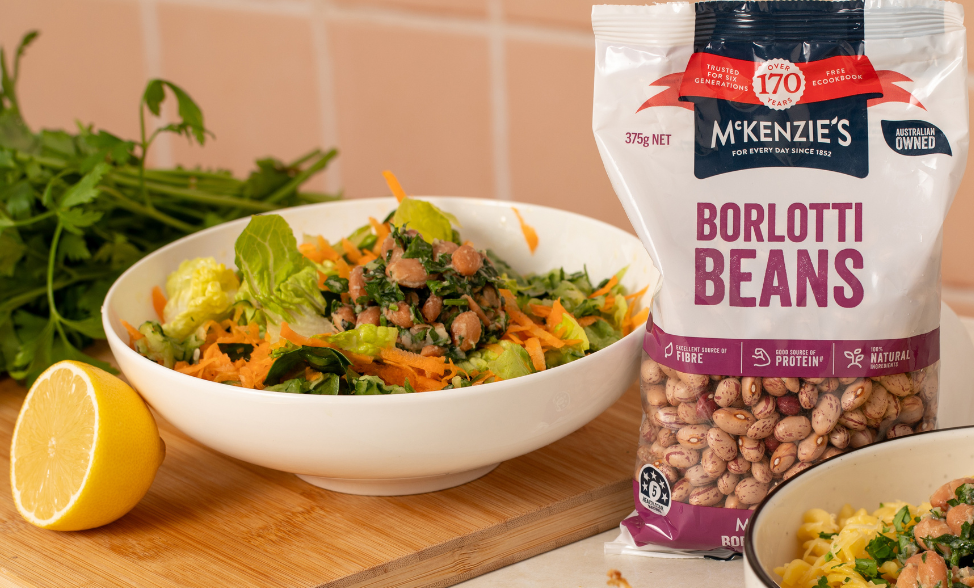
Borlotti beans in Australia are usually called borlotti beans. They may also be known as cranberry beans in some international recipes

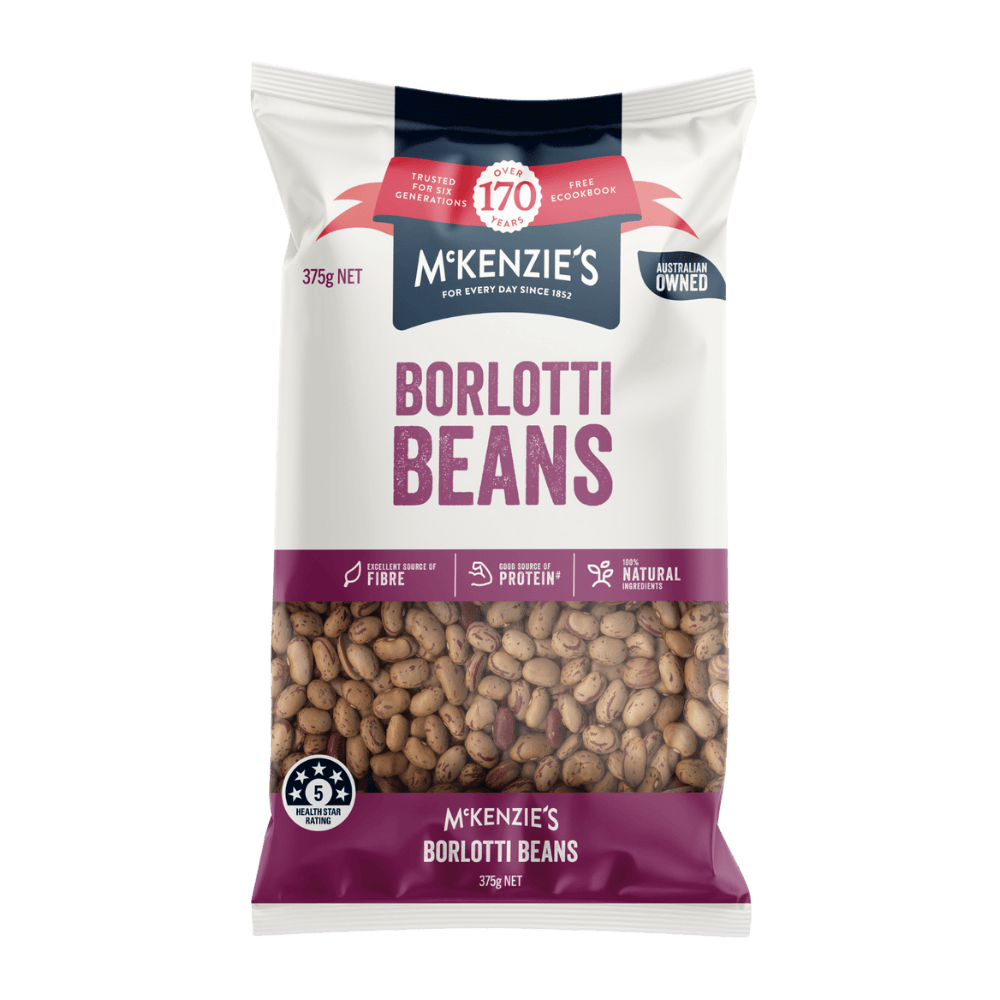
McKenzie’s Borlotti Beans are speckled when dry and become light brown after cooking. They are plump, satisfying beans with a creamy texture and gentle nutty flavour.

Borlotti beans are excellent in minestrone, Tuscan-style soups, pasta dishes, casseroles and salads. They are also lovely cooked with garlic, olive oil, herbs and vegetables for a simple side dish.

Recipe ideas include borlotti bean soup, pasta e fagioli-style pasta, borlotti bean salad with tuna or roasted vegetables, and slow-simmered bean casseroles.

Nutrition snapshot: Borlotti beans are an excellent source of fibre and a good source of protein. Like other beans, they also help add iron and other minerals to everyday meals.

Red Beans in Australia

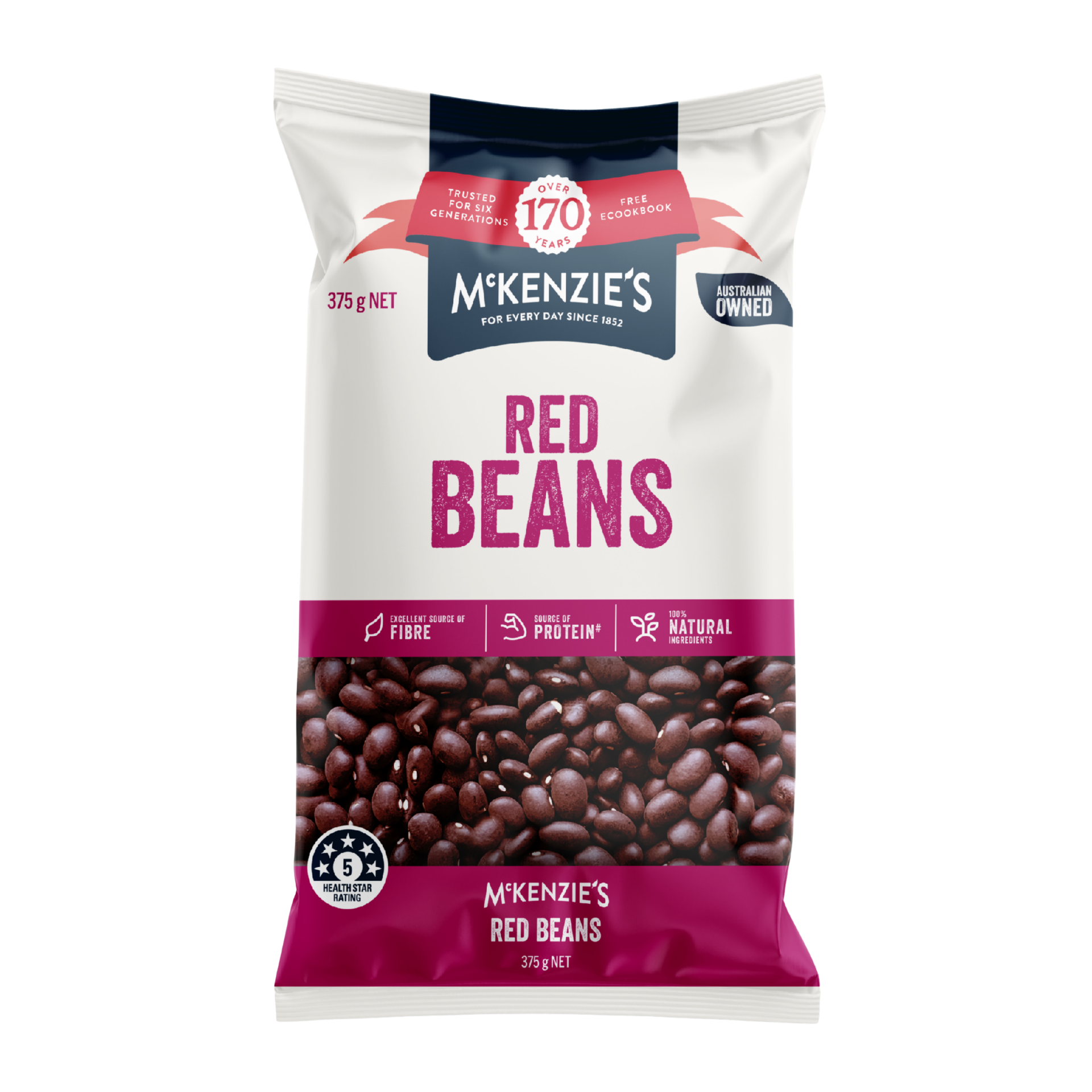
Red beans in Australia are often recognised as kidney-style beans but are slightly smaller in size.

McKenzie’s Red Beans have a hearty texture that suits bold, saucy meals. They hold their shape well, which makes them useful in soups, stews, bakes and salads.

Red beans are a natural fit for chilli, bean curry, Mexican-style bowls, tomato-based soups and baked bean dishes. They also work well in salads with beetroot, roasted vegetables, herbs and a bright dressing.

Recipe ideas include red bean chilli, red bean curry with rice, Spanish-style eggs, red bean and roast vegetable salad, and a simple red bean soup with tomato and spices.

Nutrition snapshot: Red beans are an excellent source of fibre and a source of protein. They are also useful for adding iron and substance to meat-based or plant-based meals.

Black-Eyed Beans in Australia

Black-eyed beans in Australia are usually called black eye beans or black-eyed beans. In some overseas recipes, they may be called black-eyed peas.

McKenzie’s Australian Black Eye Beans are grown in Australia and have a soft, pea-like, earthy flavour with a smooth, creamy texture. They are especially useful in stews, salads, dips and curries.

Black-eyed beans are versatile because they work in both warm and fresh dishes. Try them in bean salads, tomato-based stews, coconut curries, salsas, dips or stuffed capsicums.

Recipe ideas include black-eyed bean curry, black-eyed bean salad with herbs and lemon, Mediterranean stuffed peppers, bean salsa, or a simple dip with garlic, olive oil and spices.

Nutrition snapshot: Black-eyed beans are an excellent source of fibre and a good source of protein. They also contribute iron and other minerals, helping make everyday meals more filling.

Yellow Split Peas in Australia

Yellow split peas in Australia are dried peas that have been split along their natural seam. They are commonly used in soups, curries, dhal and casseroles.

McKenzie’s Australian Yellow Split Peas are grown in Australia and cook more quickly than many whole dried beans. They add body and texture to meals and are especially useful when you want a soft, thick result.

Yellow split peas work well in pumpkin dhal, pea soup, potato and spinach curry, fritters, casseroles and thick vegetable soups. They are also a good choice when you want a pulse that breaks down into a creamy base.

Recipe ideas include yellow split pea dhal, curried split pea soup, potato and spinach curry, yellow split pea fritters, and thick winter vegetable soup.

Nutrition snapshot: Yellow split peas are an excellent source of fibre and a good source of protein. They also add iron and slow-cooked comfort to simple meals.

Dried Beans and Pulses Compared

Bean or Pulse Flavour Texture Best Uses Nutrition Highlights
Pinto beans Mild, earthy Creamy when cooked Tacos, burritos, chilli, dips, stews Fibre, protein, magnesium, iron
Borlotti beans Nutty and gentle Plump and creamy Soups, pasta, casseroles, salads Fibre, protein, iron
Red beans Hearty and savoury Firm, holds shape well Chilli, curry, soups, bakes, salads Fibre, protein, iron
Black-eyed beans Earthy and pea-like Smooth and creamy Stews, salads, dips, curries Fibre, protein, iron
Yellow split peas Mild and earthy Soft, breaks down easily Dhal, soups, curries, casseroles Fibre, protein, iron

FAQs

Pinto beans in Australia are sold as pinto beans. They are speckled dried beans that turn light brown when cooked and have a mild, creamy texture. They are commonly used in tacos, burritos, chilli, soups, salads and dips.

Red beans in Australia are typically just called red beans. They are a smaller red bean variety and are different from red kidney beans, which are larger and have a more distinctive kidney shape.

Yellow split peas in Australia are dried peas that have been split along their natural seam. They are commonly used in dhal, soups, curries and casseroles. Because they are split, they usually cook faster than whole dried beans.

Borlotti beans are generally called borlotti beans in Australia. In some international recipes, they may be called cranberry beans. They are plump, speckled beans that work well in soups, pasta dishes, casseroles and salads.

Black-eyed beans in Australia may be called black eye beans, black-eyed beans or black-eyed peas. They have a soft, earthy flavour and creamy texture. They are useful in stews, salads, dips, curries and salsas.

Rinse dried beans first, then soak them overnight in plenty of water. Add 1 teaspoon McKenzie’s Bi-Carb Soda per 500g dried beans to the soaking water, keeping the water level at least 5cm above the beans. Drain, rinse thoroughly and cook in fresh water until tender.

Soaking is recommended for many whole dried beans because it can shorten cooking time and help them cook more evenly. Some products can be cooked without soaking, but soaking is still useful when you want a softer result. Split peas usually do not need overnight soaking.

Bicarb soda can help dried beans soften during soaking. Use 1 teaspoon per 500g dried beans in the soaking water, then rinse the beans thoroughly before cooking. Do not add too much, as it can affect texture and flavour.

Most whole dried beans are soaked for 6 to 8 hours or overnight. Smaller legumes may need less time, while split peas usually do not need soaking. Always check the pack directions for the specific bean or pulse.

Dried beans may stay hard if they are older, have been stored in warm or humid conditions, were cooked with acidic ingredients too early, or did not have enough water. Calcium-rich water can also make softening harder. Keep beans covered with liquid and add tomatoes, vinegar and other acidic ingredients once the beans are tender.

Split peas can stay hard if they are older, cooked with acidic ingredients too early, or not cooked long enough. Keep them at a gentle simmer with enough water and add tomatoes, vinegar or lemon juice once they have softened. If you want a smoother texture, use a masher once they are cooked.

To soften hard dried beans, keep cooking them gently in plenty of hot water with the lid on. Avoid adding acidic ingredients until they are tender. A pressure cooker can help if you want a very soft or mushy texture.

You can use a slow cooker for some dried beans, but red beans need extra care. Soak them first, then boil them briskly in fresh water before adding them to a slow cooker. Do not cook dried red beans from raw using low slow-cooker heat alone.

If your beans are slow to soften, add salt near the end of cooking once they are tender. This is especially useful when cooking older or tougher beans. Acidic ingredients such as tomatoes, vinegar and lemon juice should also be added at the end.

A Pantry Staple Worth Keeping Close

Dried beans and pulses are simple ingredients with plenty to give. Keep pinto beans, borlotti beans and red beans in the pantry for hearty soups, chilli, stews, curries, salads and dips, and use black-eyed beans or yellow split peas when you want something creamy, earthy and comforting. With a good rinse, a proper soak and a little patience, dried legumes can become some of the most useful ingredients in the kitchen.

Find us on social media