SUBSCRIBE

RECIPES

Almond
Pastry Rings

Desiccated vs Shredded Coconut: What’s the Difference and Which Should You Use?

Desiccated vs Shredded Coconut: What’s the Difference and Which Should You Use?

The key difference between desiccated coconut and shredded coconut is texture and moisture content. Desiccated coconut is finer and drier, while shredded coconut is cut into longer strands, giving recipes more chew, texture, and visible coconut.

Both are useful in Australian baking and cooking, but they are not always perfect swaps. The right choice depends on whether you want coconut to blend into the recipe or stand out.

What Is Desiccated Coconut?

Desiccated coconut is coconut flesh that has been dried and finely grated or ground.

It has a small, even texture and is usually quite dry. This makes it ideal for recipes where you want coconut flavour without long strands or large pieces.

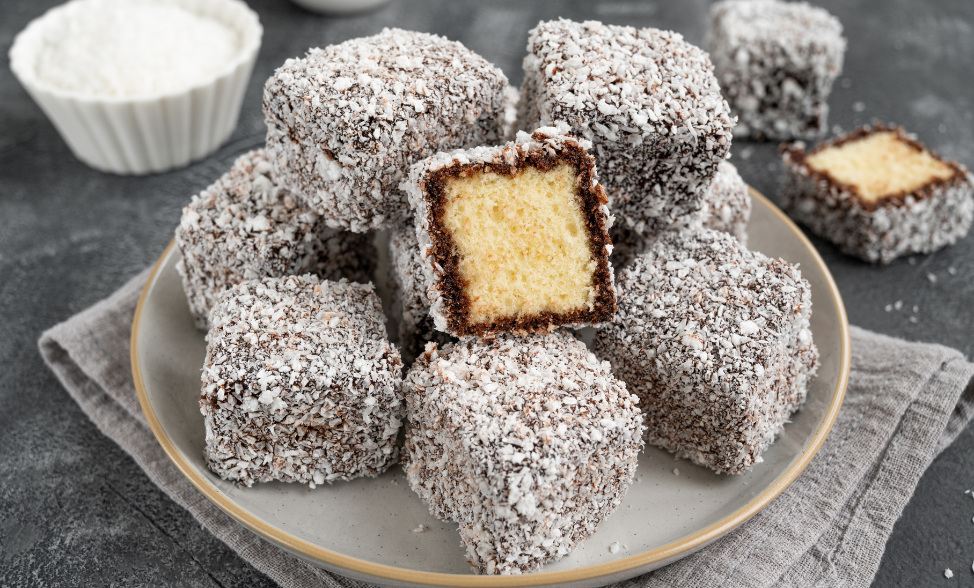
McKenzie’s Fine Desiccated Coconut is well suited to baking, desserts, curries and fruit salads. It is also handy for classic Australian favourites like lamingtons, coconut rough, slices, bliss balls, cakes and biscuits.

Use desiccated coconut when you want:

  • A fine, even texture
  • Coconut that blends into the mixture
  • A dry coconut for baking
  • A neat coating for slices, balls or lamingtons
  • A softer finish in cakes and biscuits

What Is Shredded Coconut in Australia?

In Australia, shredded coconut usually means dried coconut cut into longer, thin strands.

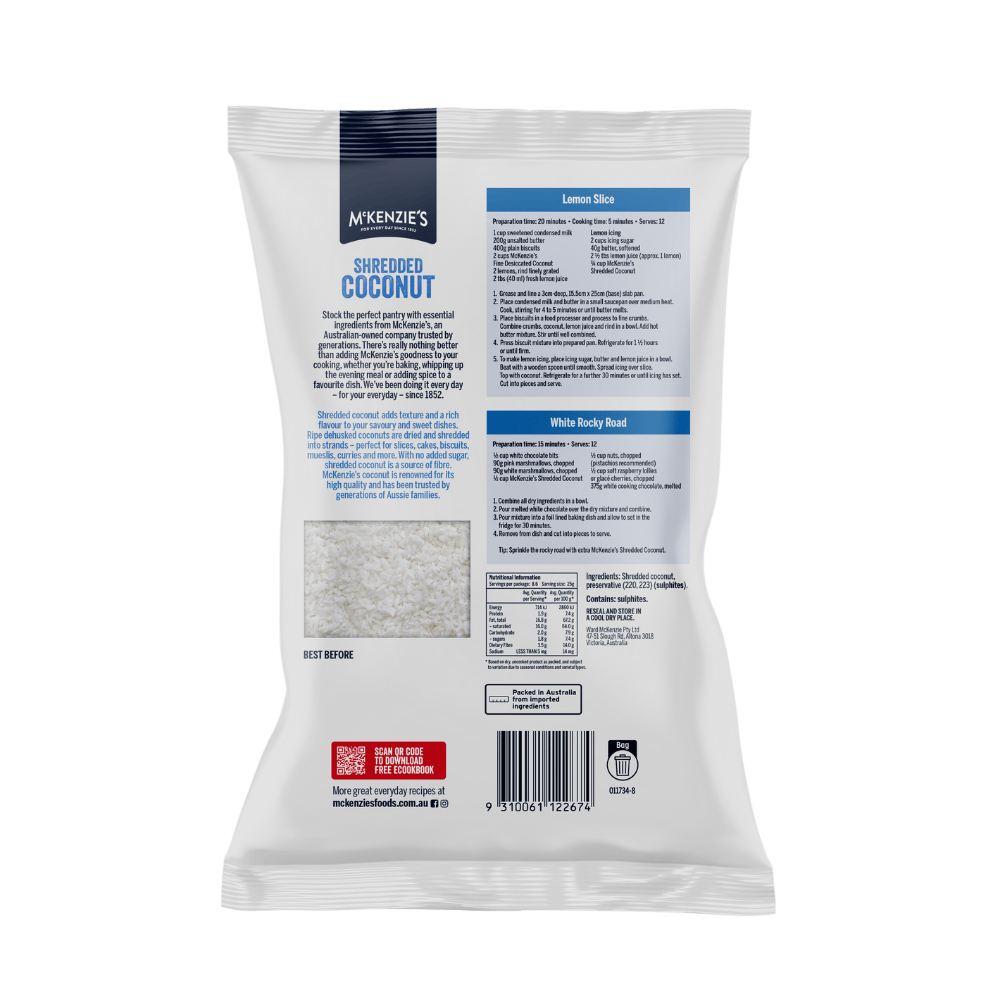
It has more texture than desiccated coconut and is often used when you want the coconut to be seen and felt in the finished dish. McKenzie’s Shredded Coconut adds texture and rich coconut flavour to sweet and savoury recipes, from cakes and cookies to muesli and curries.

Use shredded coconut when you want:

  • Longer coconut strands
  • More chew and texture
  • A visible topping or garnish
  • Coconut for decorating cakes or cookies
  • Extra texture in muesli, granola or curries

Desiccated Coconut vs Shredded Coconut

Desiccated coconut is best when you want coconut to mix evenly through a recipe. Shredded coconut is best when you want more texture.

For example, desiccated coconut works beautifully in a coconut slice because it blends into the base. Shredded coconut works well sprinkled over icing, folded through granola or lightly toasted over a curry.

A simple kitchen rule:

  • Use desiccated coconut inside the bake. Use shredded coconut when you want texture on top or throughout.

Can You Substitute Desiccated Coconut for Shredded Coconut?

Yes, you can often substitute desiccated coconut for shredded coconut, but the texture will change.

If a recipe calls for shredded coconut and you use desiccated coconut, the result will be finer, softer and less chewy. This can work well in cakes, muffins, biscuits and slices.

If a recipe calls for desiccated coconut and you use shredded coconut, the result will be chunkier and more textured. This can work well in muesli, toppings and rustic bakes, but may not be ideal for neat coatings or recipes where a fine texture is important.

As a guide, use the same amount by volume to start. If the mixture feels dry, add a small splash of milk, water or melted butter, depending on the recipe.

Which Coconut Is Best for Baking?

For most baking, desiccated coconut is the most versatile choice.

Its fine texture makes it easy to mix through cakes, biscuits, slices and muffins. It also works well as a coating for lamingtons, bliss balls and no-bake slices.

Shredded coconut is better when you want more texture. It is lovely in granola-style biscuits, rustic cakes, coconut rough, toppings and recipes where the strands are meant to stand out.

Desiccated, Shredded, Flaked and Toasted Coconut Compared

Coconut Type Texture Moisture Best Uses
Desiccated coconut Fine, small and even Drier Cakes, biscuits, slices, lamingtons, bliss balls, coatings, curries
Shredded coconut Longer, thin strands Slightly more texture and chew Muesli, granola, cake decorating, cookies, curries, toppings
Flaked coconut Larger, wider pieces Usually dry, with more bite Trail mix, granola, smoothie bowls, cake toppings, toasted garnishes
Toasted coconut Any cut that has been lightly toasted Drier and more aromatic Toppings, desserts, curries, breakfast bowls, ice cream, cakes

What Are the Best Coconut Products to Buy in Australia?

When choosing dry coconut products in Australia, look less at the front label and more at the details that affect your recipe.

The best choice depends on:

  • Cut: fine desiccated, shredded, flaked or shaved
  • Moisture: dry coconut for baking, moist flakes for softer texture
  • Sweetness: no added sugar for everyday baking and savoury cooking
  • Country of origin: check whether it is packed in Australia and where the coconut is sourced from
  • Packaging: resealable bags help keep coconut fresher between uses
  • Allergens and preservatives: always check the label if you are cooking for dietary needs

For everyday Australian baking, a fine desiccated coconut and a shredded coconut are the two most useful options to keep in the pantry. Desiccated coconut covers classic bakes and coatings, while shredded coconut gives you texture for toppings, muesli, curries and decorating.

Can You Make Your Own Desiccated Coconut at Home?

Yes, you can make a homemade version of desiccated coconut, although it may not be as fine or even as a packaged product.

To make it, remove the coconut flesh, grate it finely, then dry it slowly in a low oven or dehydrator until the moisture is removed. Let it cool completely before storing in an airtight container.

Homemade desiccated coconut can be lovely, but for consistent baking, packaged desiccated coconut is usually easier and more reliable.

A Handy Pantry Pair

If you bake often, it is worth keeping both desiccated and shredded coconut in the pantry. McKenzie’s Fine Desiccated Coconut is the reliable choice for cakes, slices, biscuits and classic coatings, while McKenzie’s Shredded Coconut brings extra texture to toppings, muesli, curries and homemade treats.

FAQs

No. Desiccated coconut is finer and drier, while shredded coconut is cut into longer strands. They both come from dried coconut, but they create different textures in baking and cooking.

Yes, you can often substitute desiccated coconut for shredded coconut using the same amount. The result will be finer and less chewy. If the mixture feels dry, add a small splash of liquid or fat to suit the recipe.

Desiccated coconut is used in cakes, biscuits, slices, lamingtons, bliss balls, curries, desserts and fruit salads. Its fine texture makes it ideal when you want coconut flavour to blend evenly through a recipe.

In Australia, shredded coconut is usually called shredded coconut. It refers to dried coconut cut into thin strands, often used for texture, toppings, muesli, curries and cake decorating.

Desiccated coconut is usually best for everyday baking because it has a fine, even texture. Shredded coconut is better when you want more chew, texture or visible coconut strands.

Yes. Grate fresh coconut flesh finely, then dry it in a low oven or dehydrator until the moisture is removed. Let it cool completely before storing in an airtight container.

Shredded coconut is cut into thin strands, while flaked coconut is cut into larger, flatter pieces. Shredded coconut mixes more easily through recipes, while flaked coconut is better for toppings, granola and decoration.

Find us on social media